

What do we research?
We research the impact of our projects to continue improving our practices quantitatively and qualitatively. Our objective is to understand and know in depth the educational communities, their individual and collective environments, to develop analog – digital environments that promote meaningful and lasting learning.
-
Making the Invisible Visible: De.Practice 2024
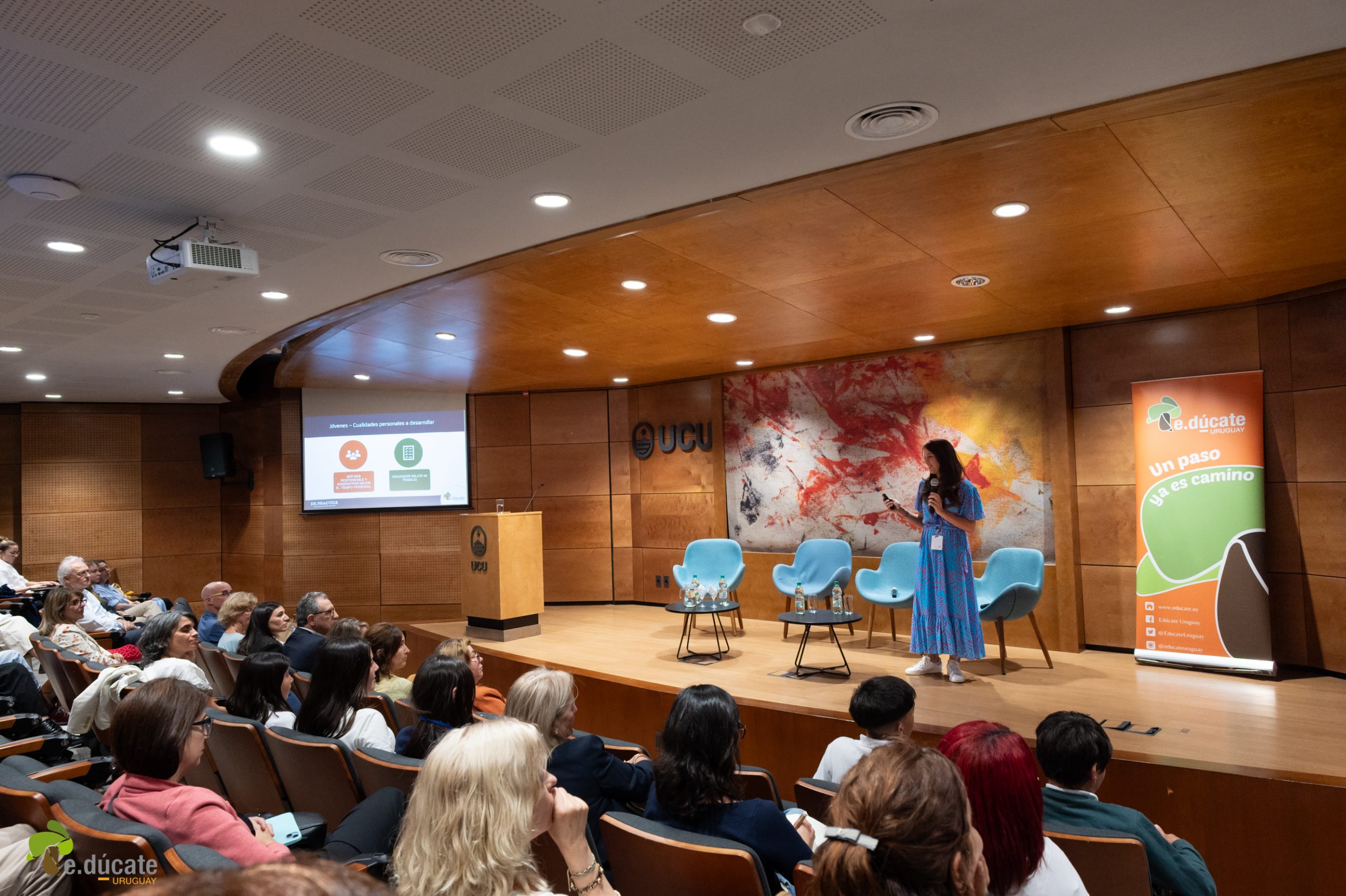
On December 9th, the Catholic University of Uruguay hosted a new and enriching edition of De.Practice, titled “Belonging and Connecting: The New Rules of Motivation for Young People to Learn.” During this event, the results of the action-research project “Educational
-
E.DÚCATE URUGUAY, AGAIN SELECTED BY ANII FOR RESEARCH DURING THE 2023-2024 PERIOD
With joy we received the news that E.dúcate Uruguay has been selected again by the ANII to continue researching during the period 2023-2024. We have always been concerned about the educational destiny of rural youth, we promote meetings, we design sketches,
-
With ANII´s and Fundación Ceibal support, we continue research focused on educational innovations
AT EDÚCATE URUGUAY WE FOCUS ON THE INNOVATION, IMPLEMENTATION AND RESEARCH OF EDUCATIONAL SOLUTIONS IN RURAL ENVIRONMENTS SINCE 2009. The purpose of this research is to address the high school dropout rates through the use of technology and the integration of
-
Research ´s advances: educational continuity of young people in rural environments.
The objective of the project is to protect the educational trajectories of students in rural areas through learning experiences adapted and relevant to their environment, using blended teaching and artificial intelligence. Through various methodologies used, such as interpretive, comparative and action
-
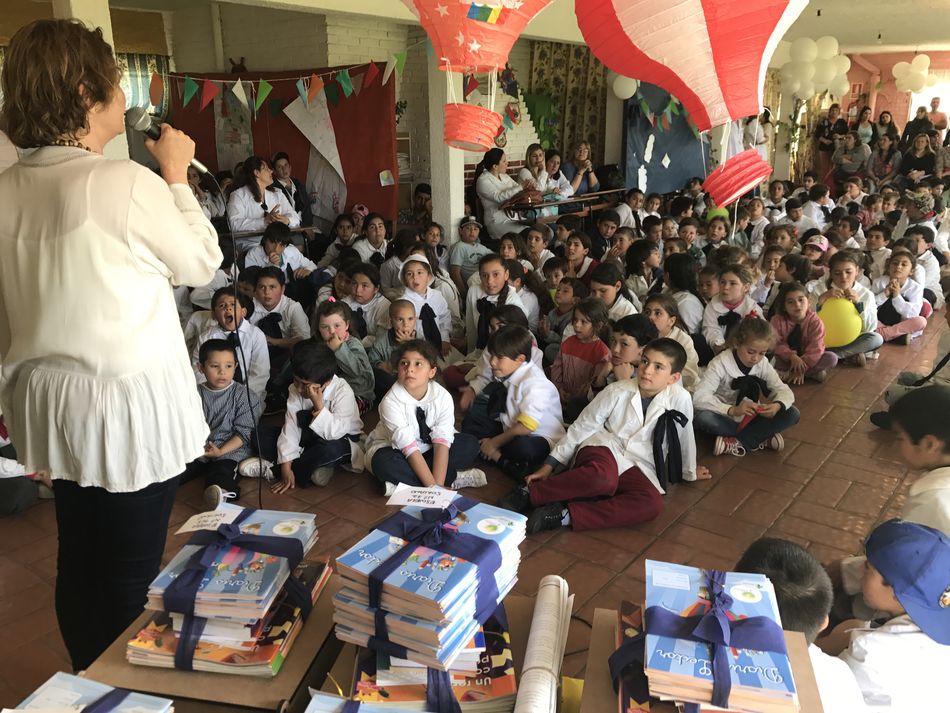
Reading is a journey: Implementing strategies in rural schools to improve reading skills
This research funded by the National Research and Innovation Agency –ANII- was based on three guiding questions that give rise to the working hypotheses. The first of them is whether providing access to books, whether in paper or digital form,
-
Technologies for learning to read and consolidating the reading habit
Why do new generations still prefer to read on paper? Different studies point to ergonomic and cognitive reasons, but it is considered that the lack of teaching strategies to choose or combine formats based on a precise pedagogical objective, understood